Loading...
Serving Perris, CA and surrounding areas. (951) 418-3503
Crumbling mortar joints let heat and water into your walls. We remove the old material, pack in fresh mortar matched to your brick, and seal your masonry against Perris summers.
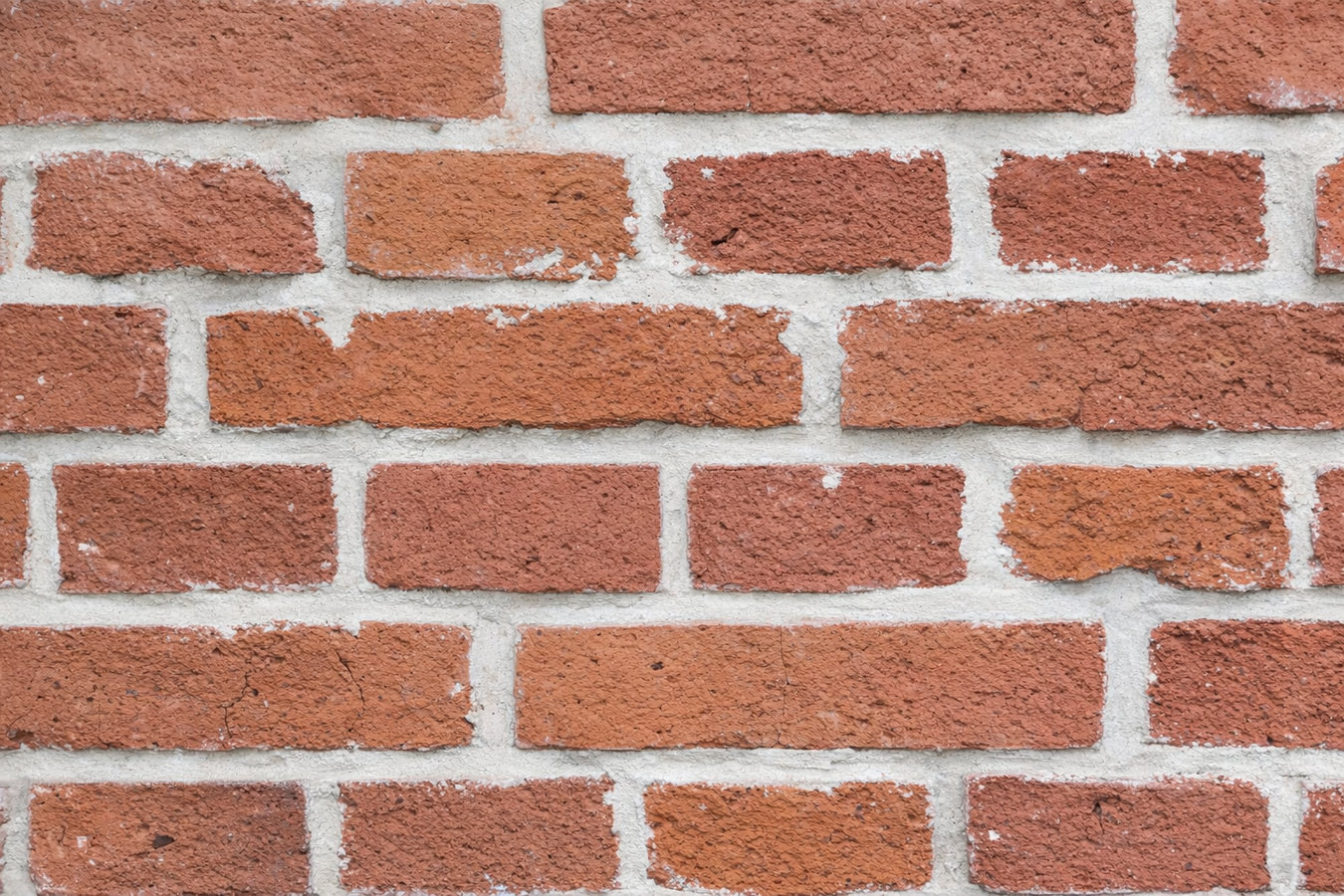
Tuckpointing in Perris, CA means removing deteriorated mortar from the joints between your bricks or blocks and replacing it with fresh material - most standard chimney and wall jobs wrap up in one to three days.
Mortar is softer than brick by design. It is built to absorb the stress of heat, moisture, and soil movement so the bricks themselves do not crack. The problem is that in Perris, where summer temperatures regularly push past 100 degrees and the Inland Empire clay soils shift with the seasons, that mortar takes a beating faster than most homeowners expect. By the time joints look crumbly from the street, water has often been getting in for a season or two already.
Tuckpointing is also closely related to brick repair- if joints have failed long enough for bricks themselves to loosen or spall, both services may be needed together. A quick inspection makes it clear which situation you are in.
Run your finger along the mortar lines on your chimney or block wall. If the mortar sits noticeably lower than the brick face, feels soft, or crumbles when you press it, the joint has eroded. Healthy mortar should feel firm and sit flush. Once the joint is open, water has a direct path into the wall.
That chalky white residue is called efflorescence - mineral salts pushed to the surface by water moving through your masonry. In Perris, where the dry Santa Ana winds and summer heat create dramatic moisture swings, efflorescence is a common early warning sign that the mortar joints are letting water in.
If the mortar lines on your chimney look lighter, chalky, or uneven compared to the brick itself, the Inland Empire heat has dried them out. Chimneys take the most direct sun exposure and are often the first place mortar fails on Perris homes. A mason can tell you in a quick look whether you are at the maintenance stage or the repair stage.
Diagonal hairline cracks near window or door corners often mean the structure has shifted slightly - something common in Perris given the area's clay-heavy soils. Mortar joints in nearby masonry are usually compromised at the same time. Getting both checked together saves you from doing the work twice.
Most tuckpointing jobs fall into one of two categories: routine repointing on walls and chimneys that have reached the end of their mortar's natural lifespan, and repair work on sections that have already failed and begun letting moisture in. We handle both. For chimneys, we also assess the flashing and crown while we are up there, since those are common secondary failure points on Inland Empire homes. If mortar failure has progressed to the point where individual bricks are loose or damaged, we can address that in the same visit through our brick repair service.
For block walls and decorative brick features - garden planters, low retaining borders, pillar caps - we use the same method: clean the joint to proper depth, match the mortar to your existing material, and tool the joint so it sheds water the right way. Color matching matters here, and we take the time to get it right before starting. If the joint is recessed or crumbling but the project also involves brick surface damage, our brick pointing service covers finish-level joint work on decorative surfaces.
Best for Perris homeowners whose chimney mortar has dried out from years of Inland Empire heat - before the fall fire season.
Best for block walls, brick veneer, and retaining borders where efflorescence or recessed joints signal failing mortar.
Best for isolated sections - a single wall face, a chimney cap surround, or a repair area flagged during a home inspection.
Best for decorative brick features where joint appearance matters as much as function - matched color and flush tooling.
Perris sits in the Inland Empire and regularly sees summer temperatures above 100 degrees with very low humidity. That extreme heat causes mortar to dry out and shrink over time, pulling away from brick edges faster than it would in a milder coastal climate. On top of the heat, much of the Perris area sits on soils with a high clay content that swells when wet and shrinks when dry. That seasonal movement - even just a fraction of an inch - puts ongoing stress on mortar joints. A large share of Perris homes were also built during the rapid suburban growth of the 1980s through early 2000s, which means a lot of chimneys and block walls are now entering the window where mortar typically needs attention.
We work throughout the Perris area, including Perris, CA and neighboring Moreno Valley, CA. The soil and climate conditions are similar across this stretch of the Inland Empire, and we see the same patterns of mortar deterioration in both cities - especially on south- and west-facing walls that take the full force of afternoon sun. Understanding why the joints are failing is as important as fixing them, and that local knowledge informs every estimate we give.
For more detail on mortar deterioration, the Brick Industry Association publishes technical guidance on mortar types and repointing standards that informs how we select materials for each job.
Tell us what you have - chimney, block wall, brick veneer - and roughly where the damage is. We will reply within one business day and schedule a free on-site look at a time that works for you.
We walk the area with you, show you what we see, and explain what needs to be done in plain terms. You get a written estimate covering scope and price before any work begins - no surprises after the fact.
For chimney or structural masonry work in Perris, we pull the required permit from the City of Perris Building and Safety Division before starting. This protects you with city documentation of the repair.
We grind out old mortar, pack fresh material in by hand, tool the joints smooth, and clean the brick face before we leave. We walk you through the finished work and give you clear curing instructions - typically keep the area dry for at least a week.
Free written estimate. We explain every step. No pressure, no surprises.
(951) 418-3503We hold a California C-29 Masonry Contractor License, which you can verify directly on the CSLB website before you sign anything. That license is your assurance that the work meets state standards and that you have legal recourse if something is not right.
Using the wrong mortar hardness is one of the most common ways tuckpointing fails early - or causes new brick damage. We test the existing material and match the mix before starting. The repair should be nearly invisible when it is done.
Hot, dry air is the enemy of fresh mortar. We schedule early-morning work during Perris summers and mist joints during curing to slow the drying process. That extra step is the difference between a joint that lasts 20 years and one that cracks in two seasons.
Every job comes with a written estimate that spells out exactly what will be done and what it will cost. There are no verbal agreements and no add-ons that were not discussed upfront. If a permit is required, we handle that process and document it for your records.
Every one of these points matters because tuckpointing done wrong costs more to fix than if you had started fresh. We work across the Inland Empire because we know this climate, and we stand behind the work with documentation you can keep on file.
Learn more about masonry standards at the Mason Contractors Association of America or verify any California contractor license at CSLB.ca.gov.
When failing joints have allowed bricks themselves to crack, loosen, or spall, brick repair picks up where tuckpointing ends.
Learn MoreFinish-level joint work for decorative brick features where color matching and a clean tooled profile are the priority.
Learn MoreSummer heat will not wait - protect your masonry before failing joints turn into a bigger repair bill. Call or request a free written estimate now.