
Loading...
Serving Perris, CA and surrounding areas. (951) 418-3503
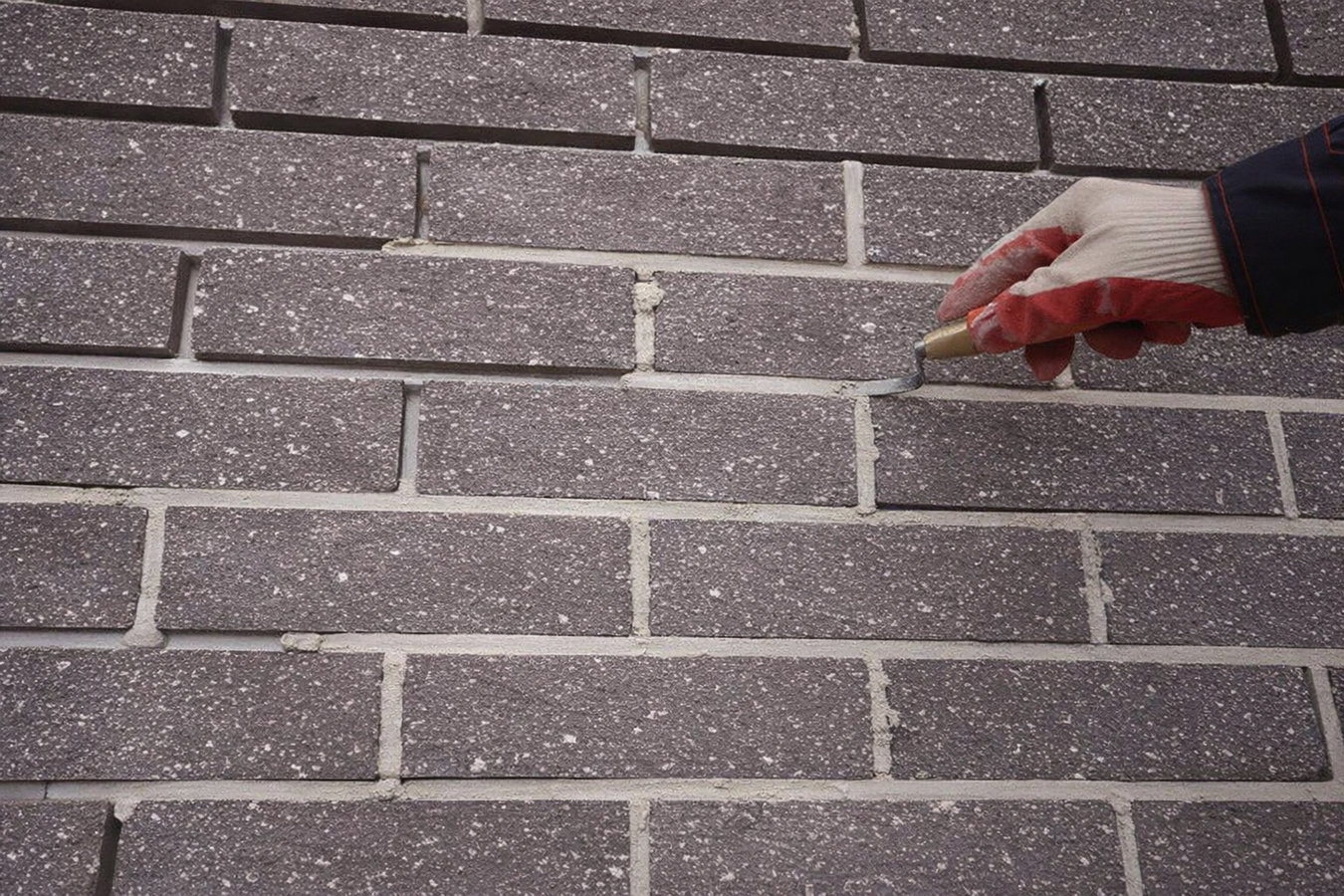
Crumbling mortar joints let water into your walls and accelerate damage with every rainy season. Fresh pointing stops the problem, protects the brick, and restores the look of the surface.
Tuckpointing in Perris is the process of removing old, crumbling mortar from the joints between bricks and replacing it with fresh mortar, most chimney and single-wall jobs take one to two days and most full exterior walls take three to five days depending on the area and how much old mortar needs to come out.
Mortar is softer than brick by design - it absorbs movement and stress so the bricks themselves do not crack. In Perris, that mortar works harder than in most places. Temperatures above 100 degrees Fahrenheit cause mortar to dry out and shrink faster than in cooler climates. The expansive clay soil under most Perris homes moves with every wet-dry cycle, stressing joints from below. And the dry Santa Ana winds that come through in fall and winter can pull moisture out of fresh mortar before it has had a chance to cure. The result is that mortar on Perris homes can reach the point of needing attention sooner than national averages suggest. If your walls also have crumbling or spalling brick, our foundation repair service can assess whether deeper structural issues are contributing to the surface damage.
Catching mortar failure early is almost always much cheaper than waiting. Once open joints let water into the wall through multiple seasons, the damage spreads behind the surface and the scope of the repair grows. Pointing is the kind of maintenance that pays for itself by preventing something more expensive later.
Run your finger along the joint lines between bricks on your chimney, garden wall, or exterior facade. If the mortar feels soft, sandy, or flakes away with light pressure, it has lost its binding strength. In Perris's dry heat, mortar can reach this stage faster than homeowners expect - and it is the clearest sign that pointing is overdue.
Stand back and look at your brick surfaces in afternoon light when the sun hits at an angle. Shadows will reveal any joints where mortar has receded or fallen out entirely. Even a small gap is enough for water to get in during a winter rainstorm - and once water is behind the brick, the damage spreads quickly.
Those white stains are efflorescence - they form when water moves through the wall, picks up salts from the mortar, and deposits them on the surface as it evaporates. Seeing this on your Perris home after a rainy winter is a reliable sign that water is getting into the joints and the mortar needs attention.
Perris sits on expansive clay soils that swell in the rainy season and contract in the dry months. If you notice hairline cracks in mortar joints that seem to open up each spring, seasonal ground movement is working the joints loose. Left alone, those cracks will widen and let in more water with each cycle.
We remove old mortar to the correct depth - at least three-quarters of an inch - before packing in fresh mortar by hand, tooling the joint to match the original profile, and cleaning any residue off the brick face. Skimping on mortar removal is the most common shortcut in this trade, and it is why some pointing jobs peel off within a year. We match the mortar mix in both hardness and color to the original so the repair holds up and blends in. For homes in Perris with brick veneer construction common in 1980s and 1990s tract housing, we treat failing joints as a water-intrusion issue - not just cosmetic - because wood framing behind the veneer can rot if joints are left open. Our masonry restoration service covers more extensive work when sections of a wall need to be rebuilt rather than just re-pointed.
We schedule work around Perris weather conditions - avoiding Santa Ana wind events that can dry fresh mortar too fast, and starting early in the morning during summer months to keep the curing process on track. After the job, we walk you through what was done, point out anything worth watching in the next few months, and let you know when to expect the mortar to reach full strength.
Best for homeowners with a chimney where mortar joints are crumbling or missing, creating a water entry risk at one of the most exposed points on the house.
Best for homeowners with failing mortar on an exterior brick facade, garden wall, or planter surround - especially in tract homes with brick veneer construction.
Best for homeowners who have white salt staining on brick surfaces combined with open or receding joints, and want the surface cleaned and sealed in one visit.
Best for homeowners with isolated sections of mortar failure rather than widespread joint deterioration across the whole surface.
A large share of Perris homes were built during the 1980s through early 2000s, many with brick veneer - a single decorative layer of brick attached to a wood-frame wall. That veneer mortar has now had 25 to 40 years of Inland Empire heat cycles, occasional heavy winter rain, and clay soil movement working against it. The stakes are a bit higher than on a solid masonry wall: because wood framing sits directly behind the brick, open joints let water reach the structure of the house - sometimes without any visible sign on the surface until rot or mold has already taken hold. Homeowners in Riverside and Moreno Valley deal with the same housing stock and the same timeline of mortar wear, and we bring that awareness to every job across the region.
The Santa Ana winds are a factor that gets overlooked when scheduling masonry work. Those dry, fast-moving winds - which arrive through the Inland Empire in fall and early winter - can pull moisture out of freshly applied mortar before it has cured, producing surface cracks that compromise the repair. We track local wind forecasts and avoid scheduling pointing work during Santa Ana conditions or adjust our approach with misting techniques when conditions require it. The Brick Industry Association sets the industry standards for mortar selection and joint preparation, and we follow those standards for every job we do in this region.
Tell us where the brick is and what you are seeing. We reply within 1 business day and set up a free on-site visit. You do not need to have all the answers - just describe what you are looking at.
We walk the area with you, check the joints closely for depth of wear, and look for any signs of deeper damage. You receive a written estimate that breaks down the scope and cost - the visit typically takes 30 to 60 minutes at no charge.
We schedule work to avoid Santa Ana wind events and the hottest part of summer when possible. If your job needs a permit for structural or chimney work, we handle that paperwork before the start date.
We grind out old mortar to the correct depth, pack in fresh mortar by hand, tool the joints to the original profile, and clean the surface. After curing, we walk you through what was done and what to watch for in the first season.
Free on-site visit. Written estimate. No pressure, no obligation.
(951) 418-3503We have been working in Perris and the surrounding Inland Empire since 2015. We know the tract housing stock, the clay soil conditions, and the seasonal wind patterns that affect how mortar behaves here. That local knowledge changes how we approach scheduling, mix selection, and job scope.
We remove old mortar to at least three-quarters of an inch before packing in fresh material. Skimming new mortar over old is the most common shortcut in this trade and produces results that peel off within a year. We do not do that - the depth of removal is something you can verify yourself before the new mortar goes in.
Fresh mortar always looks slightly different from aged mortar at first, but a good mix and color match closes that gap as the new joints weather. We select both the hardness and pigment of the mortar based on your existing wall, and we show you what to expect as it cures.
You receive a written estimate with the full scope before work begins. If we find deeper structural issues during the assessment, we tell you before you sign anything - not halfway through the job. No surprise line items after the crew arrives.
Brick pointing is not glamorous work, but it is exactly the kind of maintenance that prevents a manageable repair from becoming a costly one. Done correctly and done once, fresh pointing keeps water out of your walls for the next 20 to 30 years.
For permit requirements on masonry repair work, the Riverside County Building and Safety Department is the authoritative source. Industry standards for mortar selection and joint preparation are published by the Brick Industry Association.
Address structural movement and cracking at the foundation level before it works its way up through walls and mortar joints.
Learn MoreFull-scope restoration for brick, block, and stone surfaces where pointing alone is not enough and sections need to be rebuilt.
Learn MoreSummer heat and dry Santa Ana winds are hard on mortar - the sooner joints are sealed, the less water damage gets in.