Loading...
Serving Perris, CA and surrounding areas. (951) 418-3503
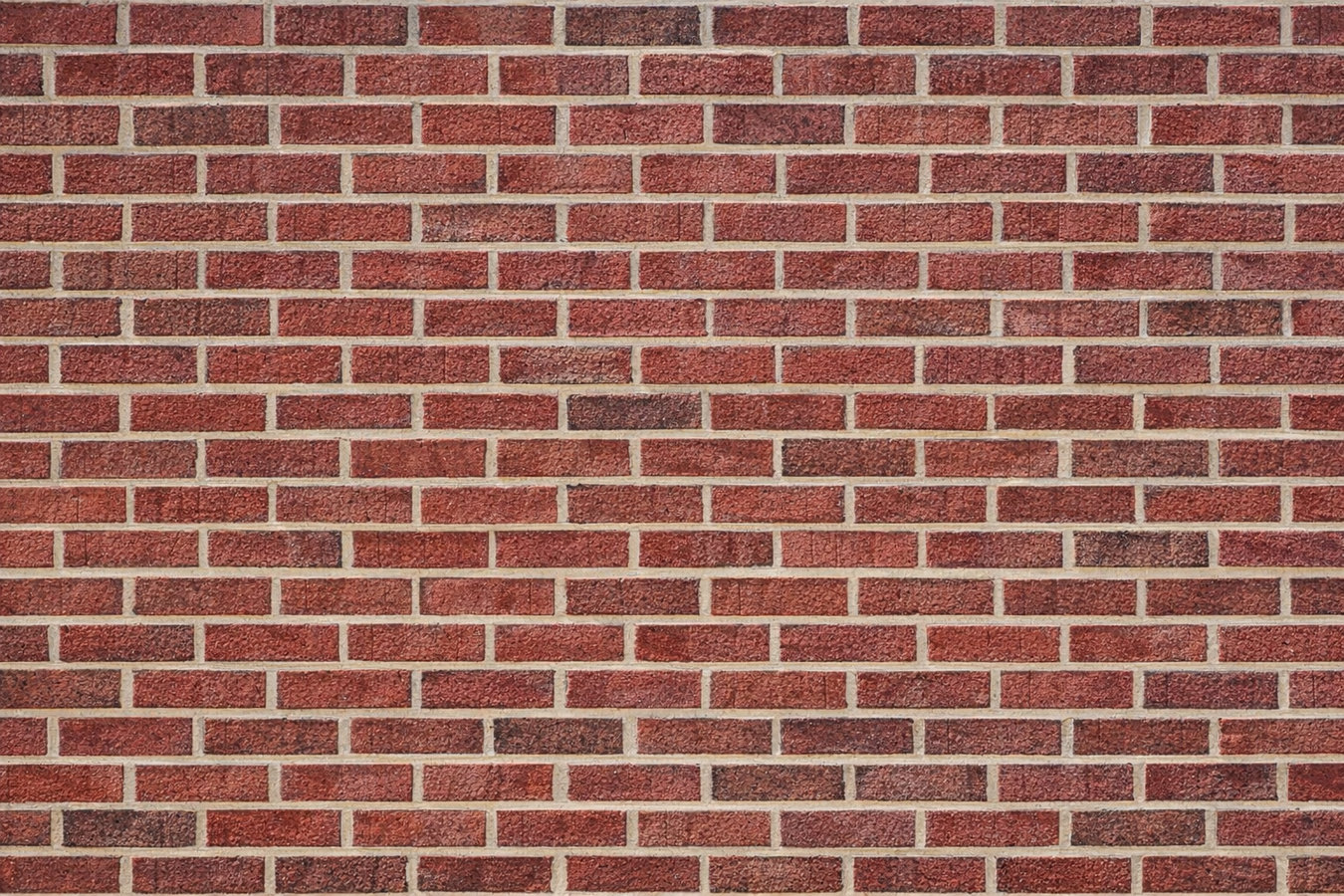
Crumbling mortar, stair-step cracks, and stained block walls are not just eyesores - they let water in and get more expensive the longer you wait. We repair and restore brick, stone, and block to look and perform the way they should.
Masonry restoration in Perris means repairing, cleaning, and stabilizing brick, stone, or block surfaces that have cracked, crumbled, or pulled apart over time - most jobs take one to three days and most of the original material stays in place.
The most common issue in Perris is mortar failure. The material between your bricks or blocks wears out before the bricks do - that is by design - but when it crumbles, gaps open up and water gets in. Repairing those joints, called tuckpointing, is often all that is needed to stop the problem before it spreads.
Whether your issue is a block fence with stair-step cracks, a chimney with gaps at the mortar joints, or a retaining wall that has started to shift, a proper restoration addresses the cause - not just the surface. Good work is nearly invisible when it is done right.
Run your finger along the lines between bricks or blocks. If the material crumbles, feels soft, or has worn back so the joint looks like a groove, the mortar has reached the end of its life. In Perris, the combination of summer heat above 100 degrees and concentrated winter rain accelerates this process - walls that look fine from a distance may be further along than you expect up close.
Cracks that run diagonally following the mortar joints in a stair-step pattern mean the wall has moved. In Perris, this is often caused by the expansive clay soils that swell with rain and shrink in dry summer heat, combined with minor ground movement near the Elsinore Fault. These cracks do not fix themselves and tend to grow wider over time.
Those white streaks - called efflorescence - are mineral salts pushed to the surface by moisture moving through the masonry. They are not dangerous on their own, but they signal that water is getting in somewhere it should not be. The underlying mortar or surface coating has broken down and needs attention.
If you notice wet spots or staining on the inside of an exterior block or brick wall after a storm, water is moving through the masonry. In Perris, where rain arrives in concentrated bursts rather than steady drizzle, even a small gap in the mortar can let in a surprising amount of water. Water inside a wall can damage framing and insulation quickly.
Most masonry restoration jobs fall into two categories: mortar repair and structural stabilization. Mortar repair covers repointing worn joints, patching surface cracks, and cleaning mineral staining - work that stops water intrusion and restores the look of the wall. For properties with older stone or brick work, we also handle stone masonry repair and rebuilding when sections have deteriorated beyond a simple patch.
Structural stabilization covers walls and chimneys that have moved or shifted. This means checking the footing or base before patching the surface, rebuilding sections that have come apart, and applying a clear water-repellent coating after repairs are complete. A fireplace installation that has developed cracks around the firebox or hearth falls into this category and needs to be evaluated for both cosmetic and safety issues.
Ideal for block fences, brick walls, and chimneys with worn or crumbling joints.
Suitable for homeowners who need visible damage addressed before it lets water in.
For walls with heavy mineral staining that affects appearance and signals moisture issues.
Best for chimneys with gaps, loose bricks, or a cap that has cracked or gone missing.
For walls that have cracked, shifted, or started to lean and need footing evaluation.
Optional protective coat that extends the life of repairs in the Inland Empire's wet-dry climate.
Much of the residential development in Perris from the 1980s through the 2000s used concrete masonry block for perimeter fences, retaining walls, and garden walls. Many of those walls are now 20 to 40 years old and showing it - cracked caps, spalling faces, and mortar joints worn down to almost nothing. The hot, dry summers in the Inland Empire dry out mortar faster than in coastal California, and the seasonal wet-dry cycle from winter rain followed by triple-digit summer heat accelerates deterioration further. Timing restoration for late winter or early spring, after the rains but before peak heat, gives new mortar the best chance to cure properly. Homeowners in Riverside and Moreno Valley face the same conditions and the same age ranges in their housing stock.
Perris also sits near the Elsinore Fault system, and the expansive clay soils common across the Perris Valley add their own seasonal movement. The combination of seismic activity and soil swelling is why diagonal stair-step cracks are so common here - and why restoration work that does not address the footing or base tends to fail within a year or two. Many newer subdivisions in Perris are also governed by HOAs that flag deteriorating walls during community reviews. Getting the work done properly means you are not looking at a compliance letter in the mail.
Tell us what you are seeing - crumbling joints, diagonal cracks, staining, or a section that has shifted. We respond within 1 business day and can usually schedule a site visit within the week.
A mason walks the area with you, checks the damage up close, and explains in plain terms what is cosmetic and what is structural. You will know exactly what needs to be done now versus what can wait - no pressure.
You receive a written estimate before any work starts. If the job involves structural repairs - a leaning wall or a shifting footing - we confirm whether a permit is needed through the City of Perris Building and Safety office and pull it on your behalf.
The crew removes damaged mortar, applies new material matched to your existing surface, and cleans up before leaving. Fresh mortar needs 24 to 72 hours to cure - we will tell you exactly what to keep away from the area during that window.
We respond within 1 business day. No obligation and no pressure. After you submit the form, someone from our office will call to schedule a free on-site assessment at a time that works for you.
(951) 418-3503We hold a valid California contractor license through the Contractors State License Board and carry liability insurance on every project. You can verify our license status at cslb.ca.gov before signing anything - and we encourage you to check.
We have been working on homes across Riverside County since 2015 and know the local soil conditions, the seasonal damage patterns, and the City of Perris permit process. That local experience means fewer surprises on your job.
A restoration that stands out like a sore thumb is a sign of a contractor who did not take the time to match. We select mortar color, texture, and hardness to match your existing surface so the repair blends in - not a patchwork of mismatched lines.
You receive a written estimate that spells out the scope in plain language before anyone picks up a tool. If something unexpected comes up, you hear about it before it affects the cost. The Brick Industry Association publishes technical standards for mortar matching that licensed masons follow.
Every job - from a single repointed chimney to a full retaining wall rebuild - follows the same process: written estimate, permitted if required, and a finished surface that looks like the wall was always in good shape.
Add a new masonry fireplace or replace an outdated unit with a properly built, code-compliant installation.
Learn MoreNatural stone walls, steps, and features built to complement your property and hold up to Inland Empire conditions.
Learn MoreMasonry damage in Perris only gets more expensive the longer it waits - call Perris Masonry and Concrete today for a free on-site estimate and a straight answer about what your walls need.