Loading...
Serving Perris, CA and surrounding areas. (951) 418-3503
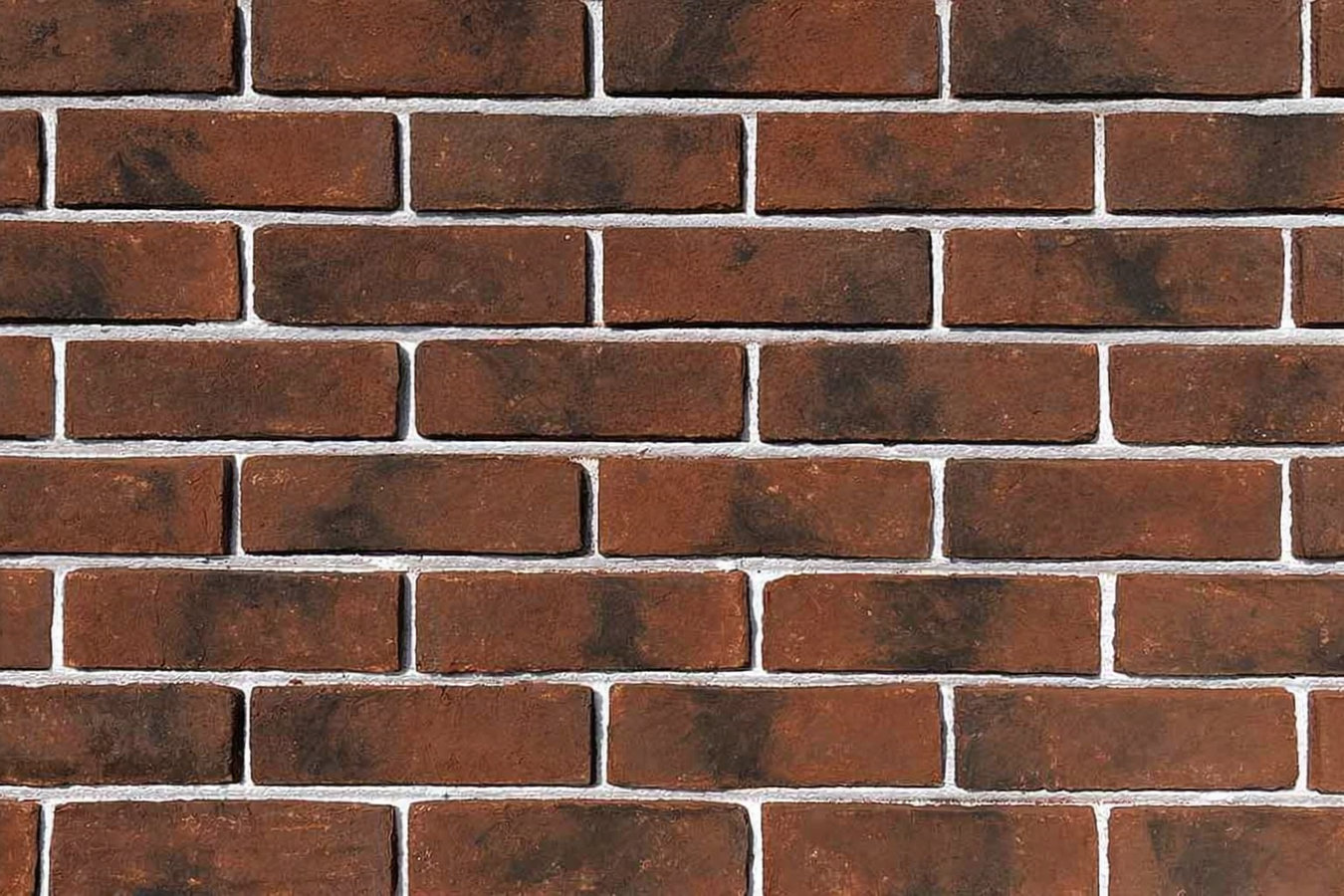
Wood fences rot and warp in the Inland Empire heat. A brick wall built with a proper footing and seismic reinforcement is a one-time investment that stays solid through Perris clay soil movement, California earthquakes, and years of triple-digit summers.
Brick wall installation in Perris means a mason lays individual bricks course by course in mortar on a reinforced concrete footing, straightforward garden or boundary walls take one to three days once the footing has cured, and larger privacy or retaining walls run one to two weeks depending on height and length.
Most Perris homeowners reach out because they are tired of replacing a wood fence that keeps rotting or warping in the Inland Empire heat, or because a yard slope has started eroding and they need something permanent to hold it in place. Brick is built differently - it does not rot, it resists fire, and it holds its color far longer than painted wood. The mortar that bonds each course may need attention after a few decades, but the brick itself is nearly indestructible. When the project is part of a larger hardscape, our brick repair service can address any existing brickwork on the property before new walls are added, so everything is in sound condition when the project is complete.
Every wall starts below ground. The footing - a poured concrete base buried below the surface - is what keeps the wall plumb and stable over time. Skimping on the footing is the single most common reason brick walls fail, and in Perris it is even more important because the clay soil underneath moves with every wet and dry cycle.
Thin cracks following the mortar lines - especially ones that have widened over time - mean the footing has moved or the mortar is failing. In Perris, clay soil shifting through wet and dry cycles is a common cause. A wall that leans even slightly is a safety concern in Perris seismic zone, not just a cosmetic issue. A leaning wall will continue to move until it is rebuilt from the footing up.
Wood fences in the Inland Empire take a beating from intense summer sun and UV exposure, typically needing repairs or full replacement every 10 to 15 years. If you are tired of repainting, repairing, or replacing the same fence along your property line, a brick wall is a one-time investment that outlasts the house.
If you have a sloped section of your yard and you have noticed soil washing downhill after rain - or the slope has gotten steeper over time - a brick retaining wall can hold that soil in place permanently. Perris gets occasional heavy rain events during winter, and unretained slopes can erode quickly. A retaining wall also creates flat, usable yard space where there was none before.
Brick walls are often part of larger outdoor living projects - they define spaces, add privacy, and give a finished look that ties everything together. If you are planning a significant backyard upgrade and the design calls for a wall, building it as part of the same project is almost always more cost-effective than adding it later.
We build freestanding boundary walls, garden walls, privacy walls, and retaining walls using full-thickness brick on reinforced concrete footings. Every wall above the minimum permit threshold is built with steel rebar set in concrete inside the wall - not because it is an upsell, but because it is required for Perris seismic zone and it is what keeps the wall standing after an earthquake. The footing depth and width are calculated for local clay soil conditions so the wall does not shift with seasonal ground movement. If the project includes a corner or decorative cap, we cut and fit bricks to match so every detail is finished cleanly. Our stone masonry service is available for homeowners who want a natural stone alternative with the same structural standards.
We handle permit applications with the City of Perris Building and Safety Division when required, schedule city inspections, and provide documentation of the completed permitted work. Before we start, we review HOA guidelines for homeowners in planned communities so the wall we design fits within approved height, color, and material standards. After the last brick is laid, we clean mortar residue off the wall surface, remove all materials and debris, and walk you through curing time and any care steps for the specific brick and mortar used.
Best for homeowners replacing a fence along a property line or adding a permanent privacy screen between their yard and a neighbor or street.
Best for homeowners who want a low boundary wall around a garden bed, front yard, or entry feature that adds curb appeal without the height of a full privacy wall.
Best for homeowners with a sloped yard that is eroding or losing usable space, where a structural wall is needed to hold soil and level the ground.
Best for homeowners with an existing brick wall that is leaning, cracking, or has significant mortar failure and needs to be rebuilt from the footing.
The Perris Valley sits on expansive clay soil that swells when it absorbs winter rain and shrinks back in the dry summer heat. A brick wall built on a footing that was not sized for that movement will start showing cracks within a few years - the footing shifts, the wall above it moves, and the mortar joints open up. A mason who works in this area regularly knows to dig deeper than the minimum and widen the footing base to keep the wall stable through seasonal ground cycles. Homeowners in Riverside and Moreno Valley face the same soil conditions, and we apply the same footing standards across every project we build in the region.
Perris is also in a high seismic hazard zone, which adds reinforcement requirements to any brick wall above a certain height. These are California building standards enforced through the city permit and inspection process - not optional extras. Mortar work in triple-digit summer heat is another local reality: mortar that dries too fast before it fully cures produces weak joints that show up as cracks within a few years. Scheduling brick laying for the cooler months - or early morning starts during summer when work cannot wait - is something a local mason handles without being asked because they have seen what happens when it is ignored.
We will ask a few basic questions about what you want the wall to do, roughly how long and tall, and whether your neighborhood has HOA restrictions. We reply within 1 business day and schedule a free on-site visit - do not accept a price over the phone without a site visit first.
We measure the area, assess the slope and soil, and determine what footing depth your conditions require. You receive a written estimate that covers footing work, brick laying, and cleanup before any agreement is made. Ask questions at this stage - a contractor who cannot explain their quote clearly is a red flag.
If your wall requires a permit - which it will above six feet for freestanding walls or four feet for retaining walls - we handle the application with the City of Perris. Permit review typically takes one to two weeks for residential projects. Once approved, you get a confirmed start date and a list of what to clear from the work area.
We dig the footing trench, pour concrete, and allow it to cure before brick laying begins - usually one to two days. Brick laying follows course by course until the wall is complete. We clean mortar residue from the wall surface, remove all materials and debris, and walk you through curing time before we leave.
Free written estimate. We handle permits and city inspections. No surprise charges after the work starts.
(951) 418-3503Since 2015, we have built walls in the Perris Valley and learned exactly what clay soil does to a footing that was not sized for local ground movement. We dig deeper and wider than the minimum on every project - not as an upsell, but because a footing that fails in year three costs the homeowner far more than getting it right from the start.
Perris is in a California seismic hazard zone, and every brick wall we build that meets the height threshold includes steel rebar set in concrete inside the wall. This is a code requirement that we treat as a baseline, not an add-on. The city inspection process confirms it was done correctly, and you have that documentation if you ever sell.
We file permit applications with the City of Perris Building and Safety Division and schedule city inspections so you do not have to navigate that process. For homeowners in planned communities, we review HOA architectural guidelines before finalizing the design so the wall meets approval standards the first time.
We favor late fall through early spring for brick laying projects in Perris - cooler temperatures let mortar cure the way it should. When summer work is unavoidable, we schedule early morning starts and protect fresh mortar from the midday heat. The Brick Industry Association recommends these practices, and we follow them on every job.
Local soil conditions, seismic requirements, and climate all shape how brick walls need to be built in this area. Those are not details you pick up from a general masonry textbook - they come from years of building in the Inland Empire and seeing what holds up.
For brick material and installation standards, the Brick Industry Association publishes homeowner-facing guides on wall construction and maintenance. California seismic hazard zone information is available through the California Geological Survey.
Prefer the look of natural stone? Stone masonry offers the same structural permanence as brick with a different aesthetic finish.
Learn MoreHave existing brickwork on the property that needs attention before or alongside a new wall? We assess and repair cracked or spalling brick.
Learn MoreFall and winter are the best window for brick work in the Inland Empire - cooler temperatures mean stronger mortar and a cleaner installation. Call or send a message to lock in your start date.